Resorbables.comStrategic enquiries ↗
Resorbables.com · Available for strategic acquisitionEnquire ↗

MATERIALS & CHEMISTRY

PLA, PGA & PLGA polyesters

Composition governs more than the initials suggest.

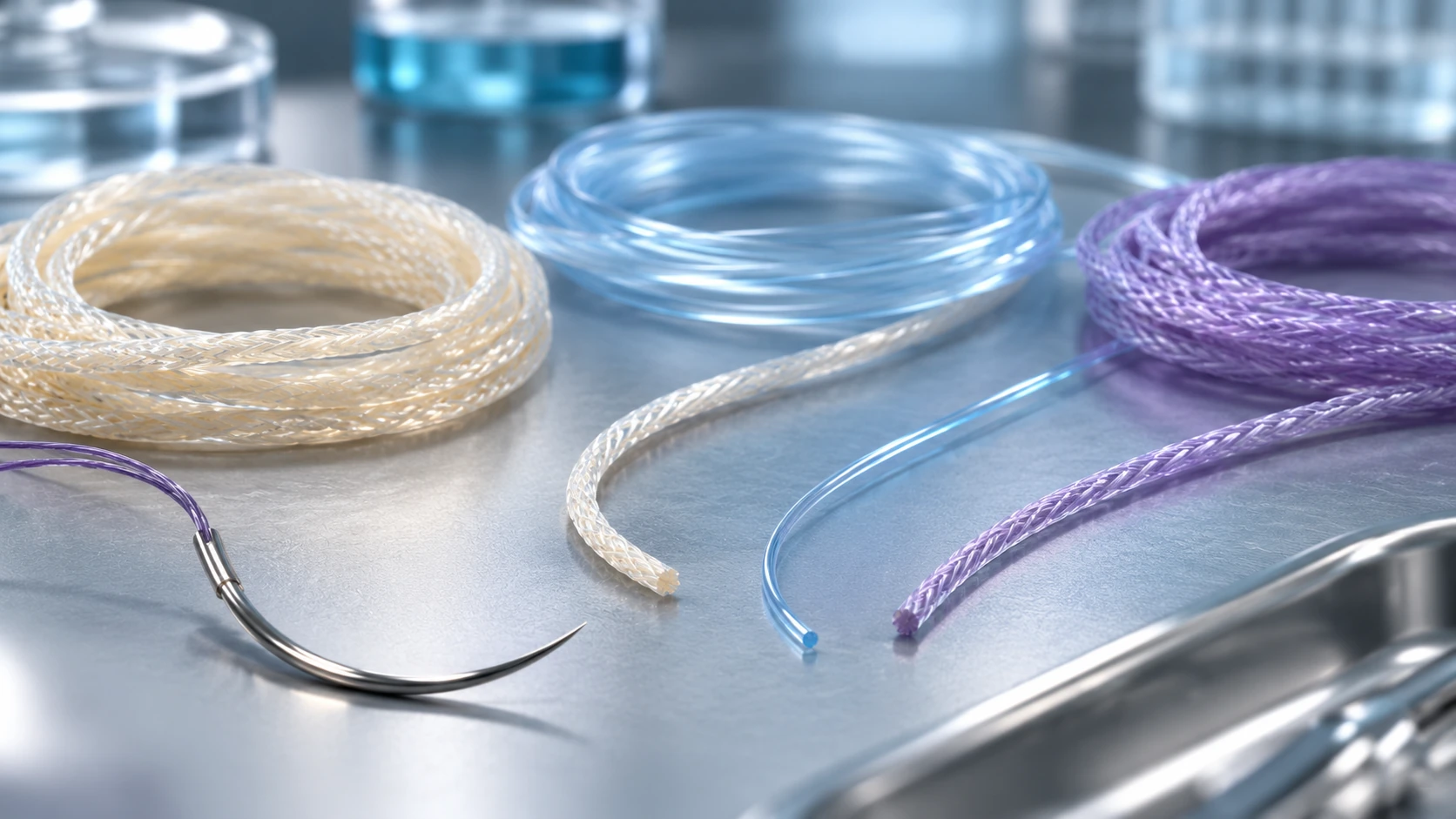
Original editorial visualization of PLA, PGA & PLGA polyesters

DIRECT ANSWER

What does this technology do?

Polylactide (PLA), polyglycolide (PGA) and their copolymers form a major family of hydrolysable polymers in biomedical devices. Formulations differ in lactide/glycolide ratio, stereochemistry, crystallinity, molecular weight and end groups; those differences materially affect processing and performance.

Current contextEstablished material families

Important engineering variables

  • material formulation and controlled degradation
  • mechanical and biological performance
  • quality systems and device translation

WORKING PRINCIPLES

Materials in motion.

Water cleaves ester bonds, reducing molecular weight; later changes in mass and physical form depend on geometry and environment. A thick plate, fiber and microsphere made from related polymers can follow very different functional lifetimes.

TRANSLATIONAL REALITY

Where evidence matters.

Material familiarity and historic device use do not automatically establish safety for new formulations or uses. Device-specific verification, biological evaluation and manufacturing controls remain essential.

DESIGN CONSTRAINTS

The details decide the outcome.

Engineering consideration

Composition and molecular weight influence strength and degradation.

Engineering consideration

Processing, sterilization and storage can alter polymer performance.

Engineering consideration

Implant function and degradation rate must be verified separately.

DIRECT ANSWERS

Questions worth asking.

What does PLGA stand for?

Poly(lactic-co-glycolic acid), a family of lactide-glycolide copolymers.

Are PLA and PLGA identical?

No. Copolymer composition changes physical properties and degradation behavior.

REFERENCES

Traceable context.

Selected primary records and peer-reviewed literature relevant to the exact material or application.