APPLICATION AREAS
Temporary materials. Distinct clinical jobs.
Resorbable devices span established surgical categories and experimental new platforms. The clinical evidence belongs to each application—not to the umbrella word.
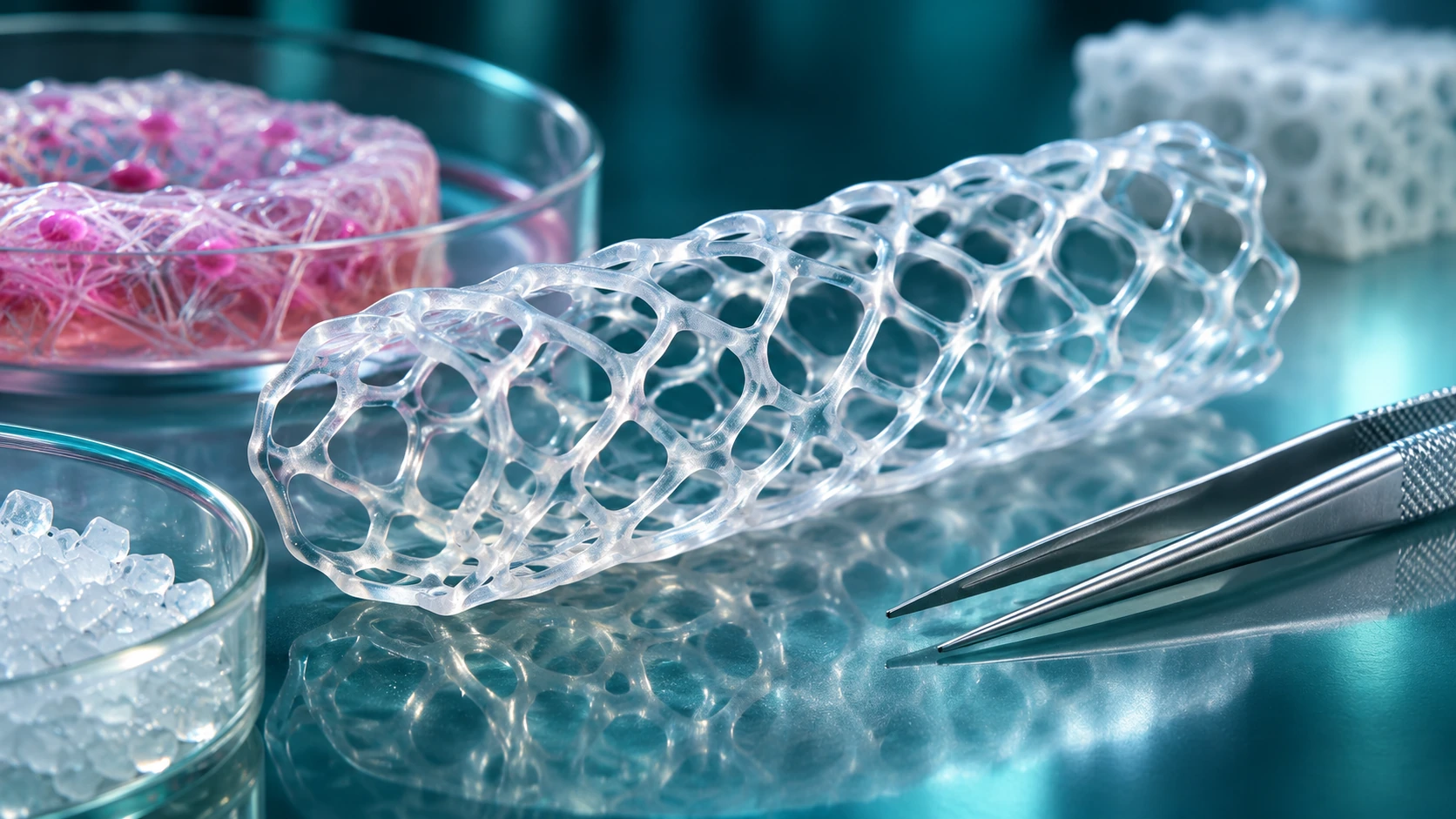
FIELD GUIDE
Application by application.
Every chapter explains the intended role, material mechanism, evidence and real limitations of that medical use.
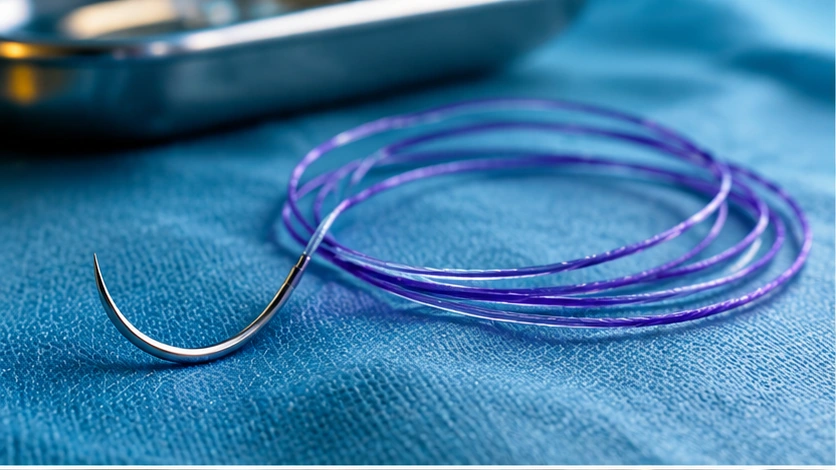
Absorbable sutures & wound closure
Engineered fibers that maintain tissue approximation before gradually losing strength and being absorbed.
Explore the chapter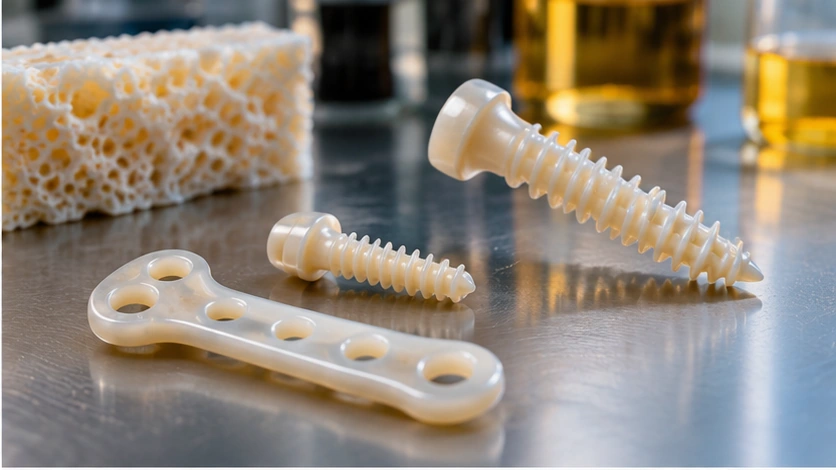
Orthopedic & craniofacial fixation
Resorbable screws, plates and anchors designed for selected temporary fixation requirements.
Explore the chapter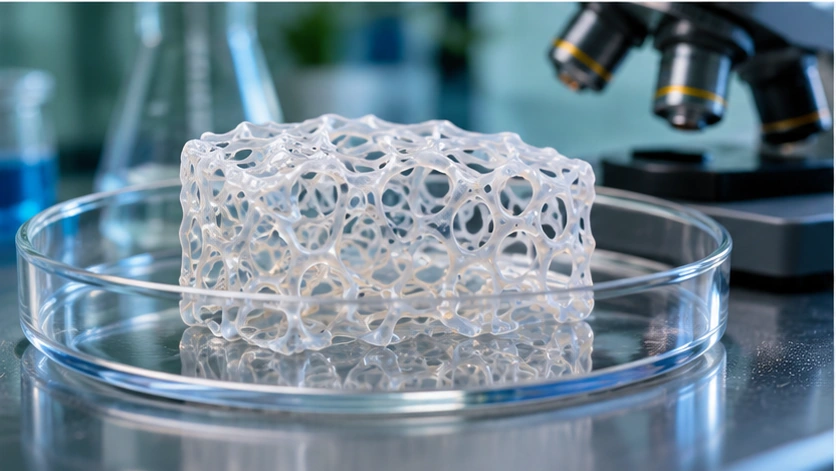
Resorbable surgical meshes
Temporary soft-tissue reinforcement and porous scaffolds with a finite intended service life.
Explore the chapter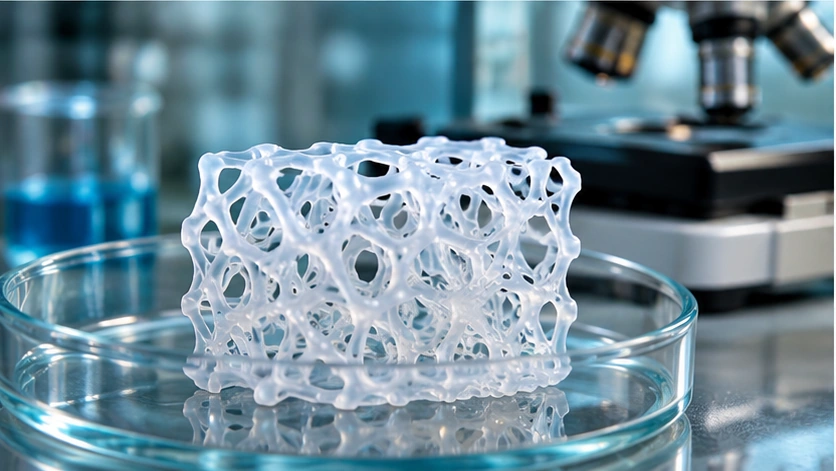
Dental & craniofacial materials
Barrier membranes, fixation components and scaffold designs for specific dental and facial procedures.
Explore the chapter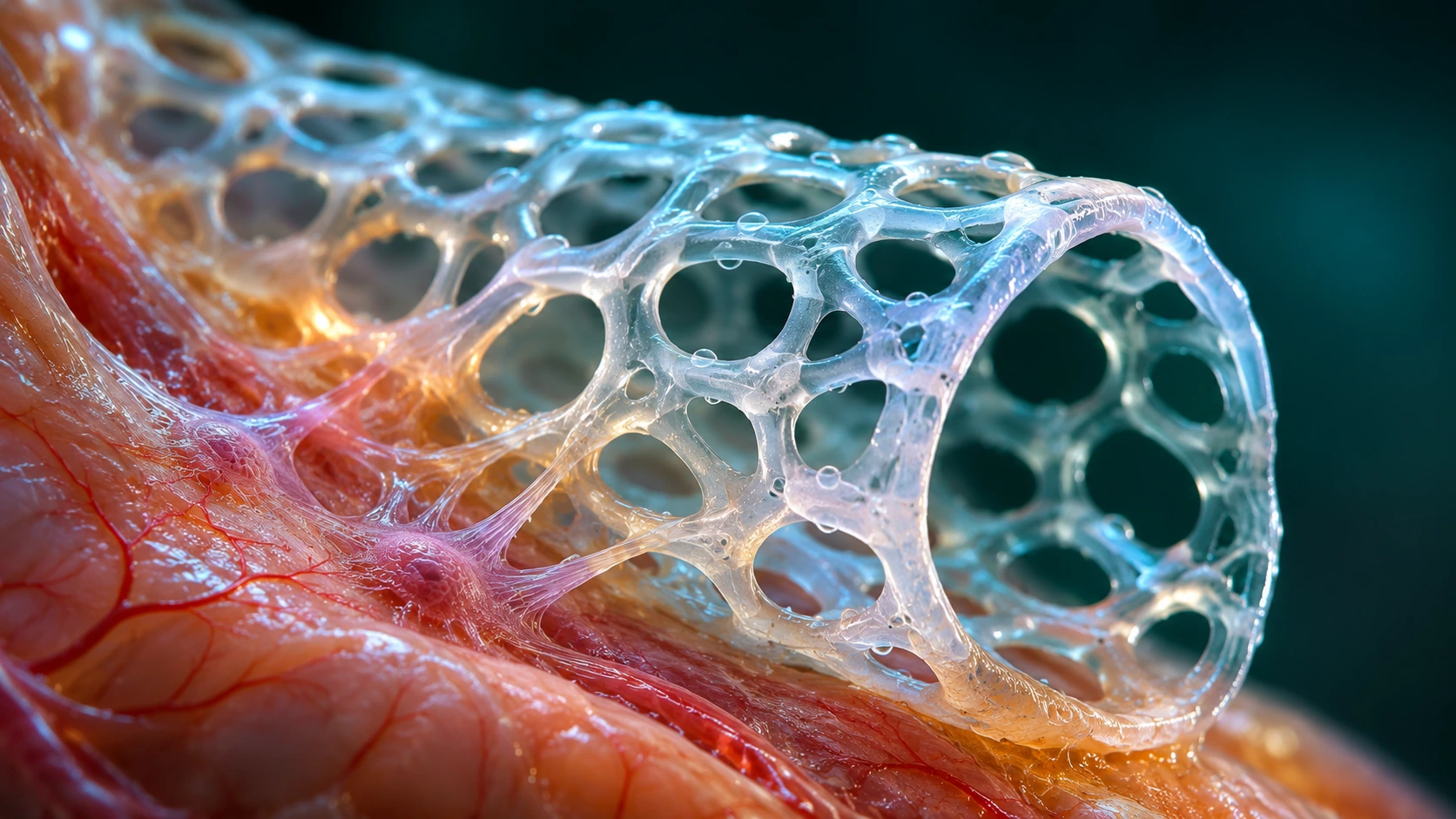
Cardiovascular scaffolds
Temporary vascular-support concepts with a complex clinical and regulatory history.
Explore the chapter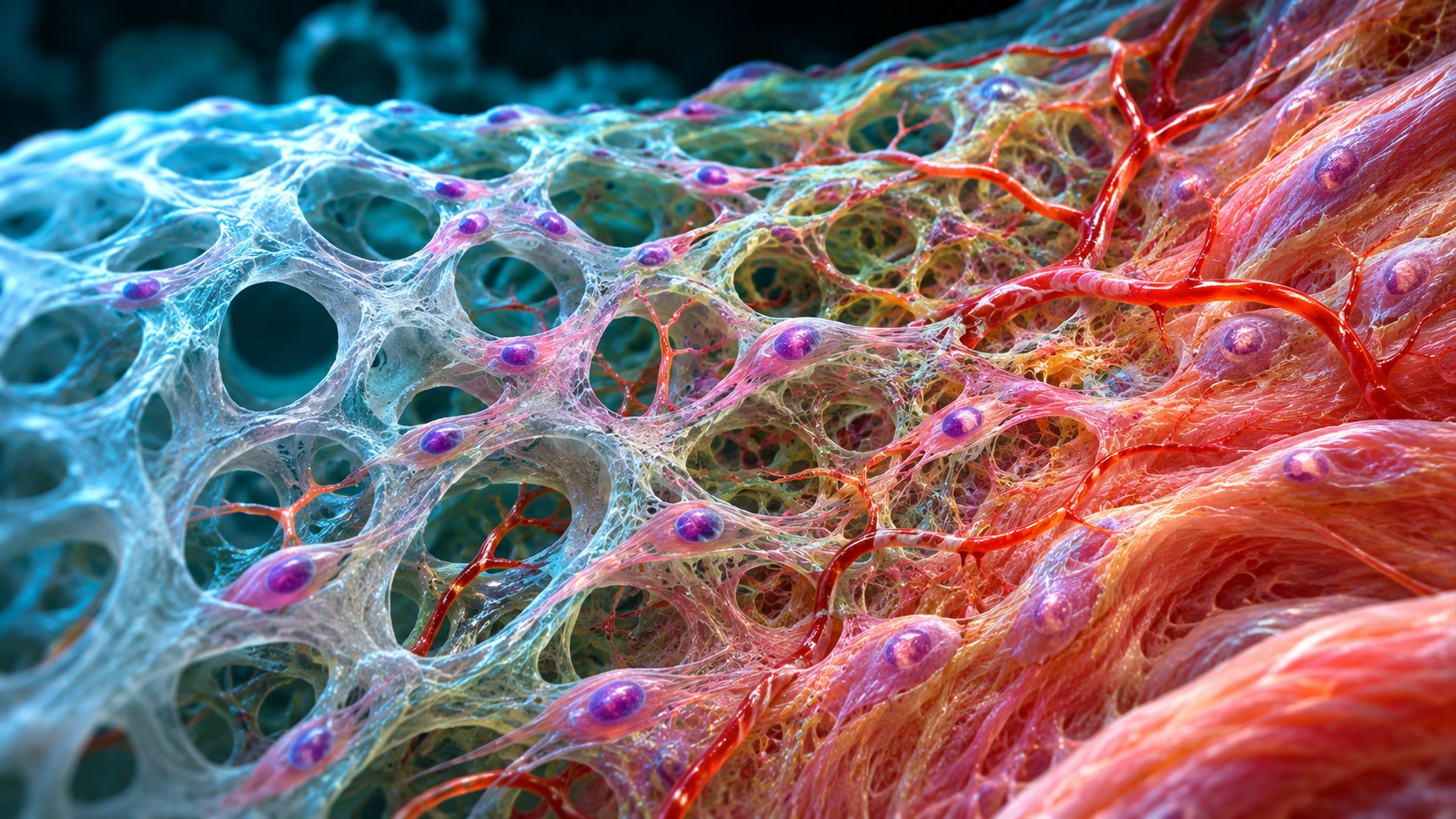
Tissue-engineering scaffolds
Porous temporary architectures explored for tissue repair and regenerative support.
Explore the chapter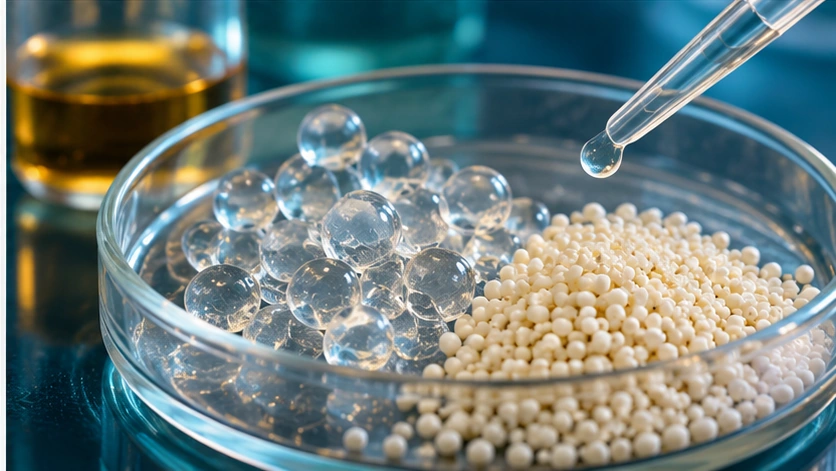
Controlled drug delivery
Biodegradable depots, microspheres and implantable systems that release a payload over time.
Explore the chapter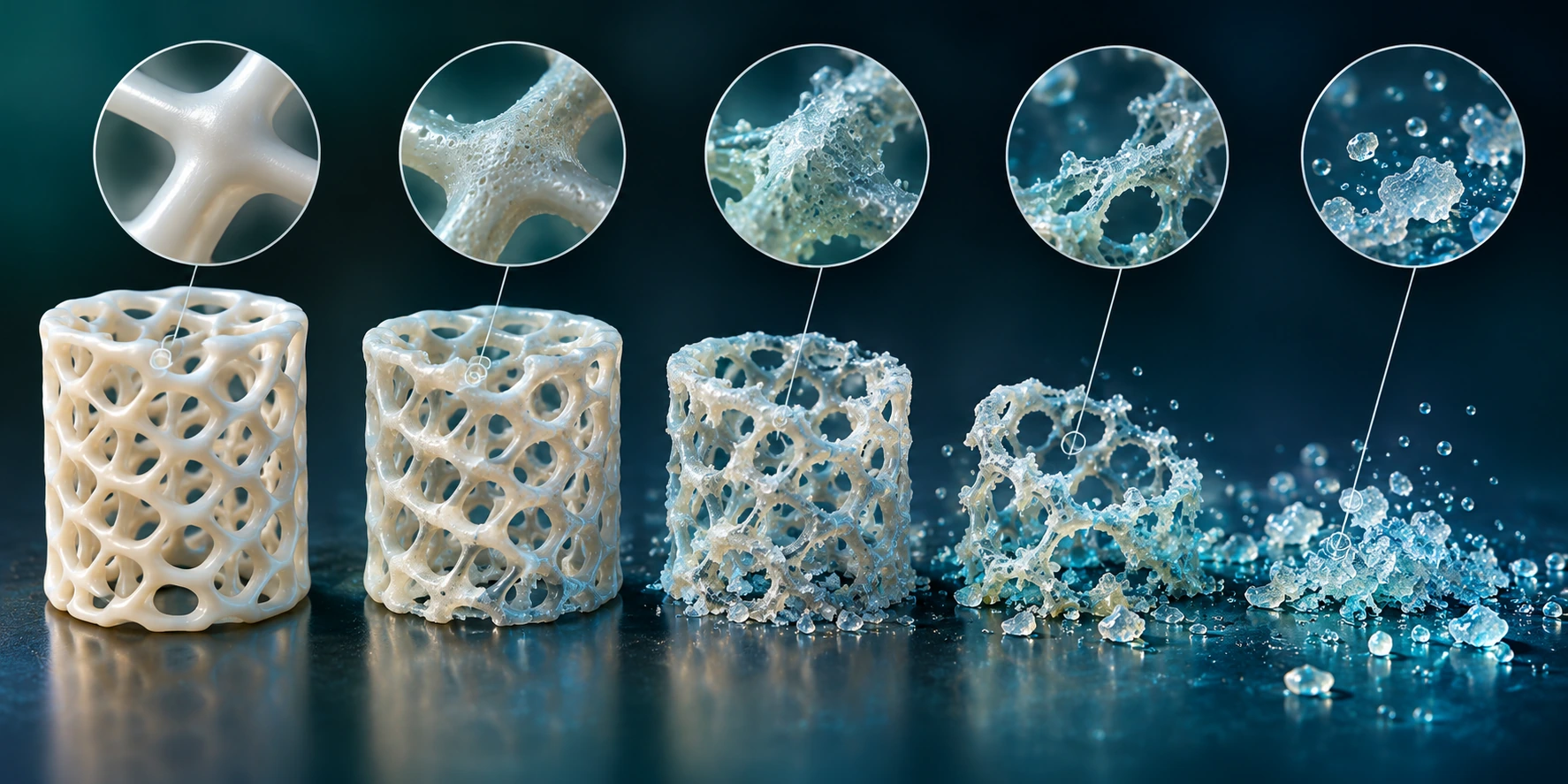
Transient bioelectronics
Experimental resorbable sensors, power components and electrical interfaces.
Explore the chapterDIRECT ANSWERS
Questions worth asking.
What medical products use resorbable materials?
Examples include selected absorbable surgical sutures, surgical meshes and craniofacial fixation devices; many advanced systems remain investigational.